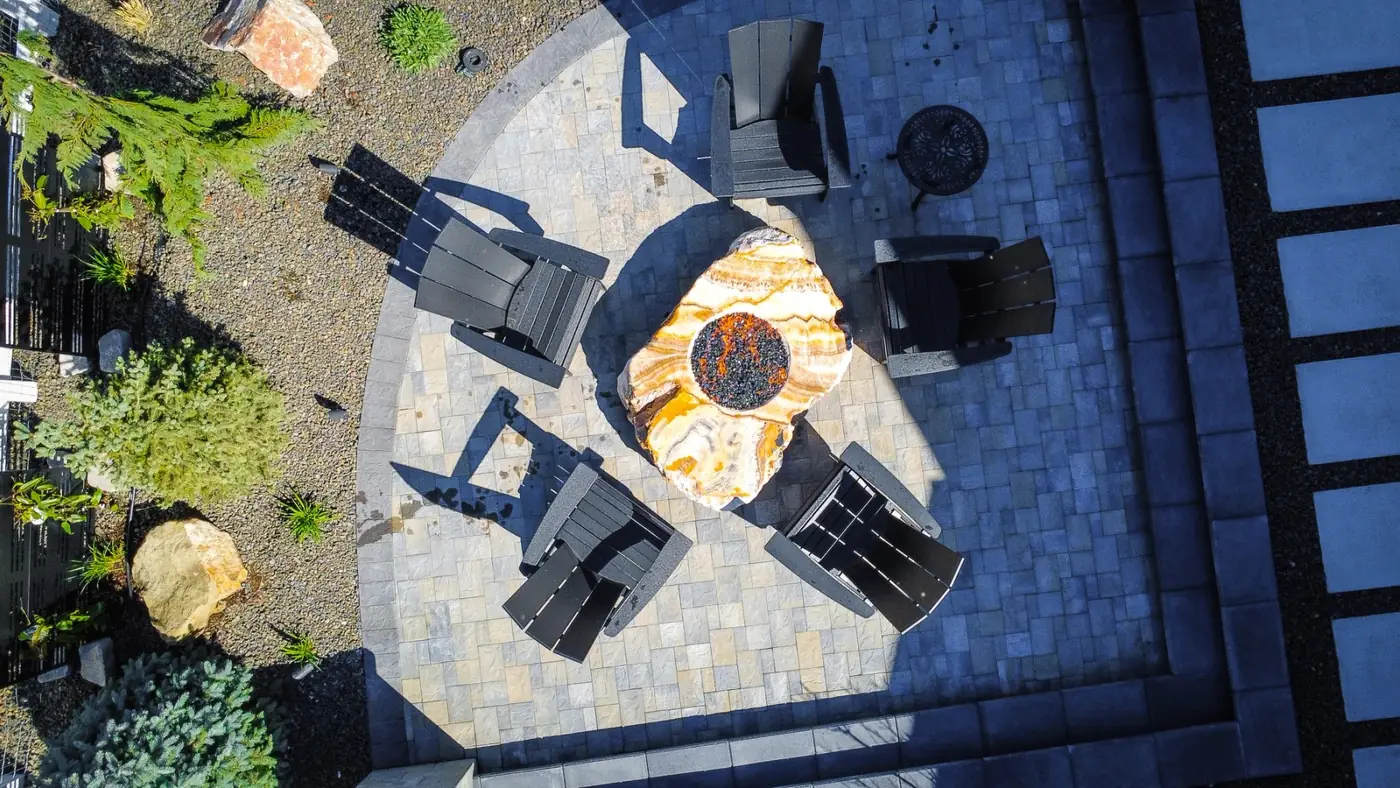
Getting Your Landscape Past the HOA.
Many Treasure Valley subdivisions require architectural committee approval before you change a yard. Read your CC&Rs and design guidelines first, design to them, and submit a complete package: a dimensioned site plan, materials and colors, a plant list, lighting and any structures. Then build exactly what was approved. Idaho courts have upheld orders to remove work that went beyond an approval, with the owner paying the association's legal fees.
- Who approves
- Your HOA's architectural or design review committee
- What to send
- Site plan, materials, plant list, heights, lighting and drainage
- Fines in Idaho
- Only if the CC&Rs allow them, after 30 days' written notice
- Lawn rules
- No Idaho law limits them: your CC&Rs decide
Which Documents Set the Rules?
An HOA's rules come in layers. The declaration of covenants, conditions and restrictions, the CC&Rs, is recorded against your lot and binds every owner. Many associations add design guidelines or an architectural rulebook, and the plat can fix easements and building envelopes. Idaho's Homeowner's Association Act counts all of these as governing documents.
Read them for four things before anyone draws. What needs approval: often anything on the exterior, landscaping included. What is required: a lawn, street trees, a completion deadline. What is limited: fence heights and styles, wall materials, structure heights, lighting, plant lists. And how review works: who reviews, what to submit and how long they have to answer.
In a newer subdivision, the developer may still run the committee. For associations formed after July 1, 2025, Idaho law lets the developer keep architectural review during its period of control, unless the declaration says otherwise.
The Rules That Come Up Most
Every association is different, but the same subjects appear in CC&Rs and design guidelines across the valley:
- Completion deadlines. New subdivisions often set a deadline for landscaping after you close or move in. The window varies, so check your CC&Rs.
- Lawn and trees. Some declarations require a share of the yard in lawn, a minimum number of trees, or street trees from a set list.
- Fences and walls. Height, style, color and distance from the street are often fixed. In one Boise subdivision, the CC&Rs capped fences at six feet and kept them 20 feet back from any street.
- Structures. Pergolas, shade structures, sport courts and play equipment are often reviewed for height, setback and color.
- Lighting. Some guidelines ask for shielded fixtures, warm color and limits on brightness.
- Grading and drainage. Committees look closely at anything that changes how water leaves your lot, especially toward a neighbor.
When a rule doesn't fit your lot, ask for a variance rather than working around it. Some CC&Rs, including those in the Idaho Supreme Court case below, let the committee grant one when topography, natural obstructions, hardship or aesthetic and environmental reasons call for it. That matters on a steep or oddly shaped lot, where a standard fence height or setback can make no sense. A variance usually covers only your lot and the rule it names, so get its terms in writing, and don't count on a neighbor's variance to cover you.
What to Submit
Committees approve what they can see. A complete package gets a faster, clearer answer, while a rough sketch invites questions, conditions or a denial. A strong submission usually includes:
- The committee's application form, signed by the owner.
- A dimensioned site plan showing property lines, setbacks, easements and every new element.
- Materials and colors for paving, walls, caps and fences, with photos or samples.
- A plant list with species and planting sizes, and how much of the yard is lawn, beds and hardscape.
- Elevations with heights for walls, pergolas, fire features and fences.
- Grading and drainage notes showing where water goes.
- Light fixtures and where they go.
- Any city permits or engineering the project needs.
Describe the whole project, not just the first piece. In the Idaho Supreme Court case below, the trouble began when the work grew beyond what the first application described.
How Long Does Approval Take?
It depends on the committee. Some meet monthly and some review applications as they arrive. Your CC&Rs may set a window for a decision and say what happens if none comes: some declarations treat silence as approval, some as denial, and some say nothing at all. Get every approval, and every condition, in writing.
Build the review into the schedule. We submit as soon as the design is final, alongside any city permits, and plan for both before a build date is set. If the committee asks for changes, we revise the drawings and resubmit, rather than improvise in the field.
Watch for expiry, too. Some approvals lapse if work doesn't start or finish within a set time, and some committees inspect the finished yard.
What Happens if You Build Without Approval?
Idaho courts enforce covenants that are clearly written, and read unclear ones in favor of the free use of land. In Eagle Springs Homeowners Association v. Rodina (2019), a Boise homeowner had approval to extend a fence and do some landscaping, then built a three-foot retaining wall to level his slope and set a new fence on top of it, closer to the street. The committee found the work went beyond the approval: the fence now stood above the six-foot limit, it sat too close to the street, and the wall could change how water drained onto neighbors.
The district court ordered the wall and fence removed and the yard restored, and awarded the association its attorney's fees. The Idaho Supreme Court affirmed, with fees for the appeal as well. Meeting county codes didn't settle it, and neither did pointing to other fences nearby: the CC&Rs said that approving one project didn't waive the right to deny a similar one.
Fines follow a process set by Idaho law. An association can fine an owner only if its covenants clearly allow it, only by a majority vote of the board, and only after at least 30 days' written notice of that meeting, delivered in person or by certified mail. If you start fixing the problem before the meeting and keep at it in good faith, no fine can be imposed, and attorney's fees can't build up until the association has followed those steps.
How We Work With Your Committee
We read your CC&Rs and design guidelines before design starts, and design to them from the first sketch. Where a rule and your goals pull apart, we say so early and look for an approvable answer: two lower walls with a planted terrace instead of one tall one, a fence style the guidelines already allow, a water-wise bed shaped to read as garden.
We prepare the drawings, material boards and plant lists the committee asks for, submit them with your signature, answer its questions and build exactly what it approved. If something has to change on site, we go back for approval before we build it.
It's the same process we follow on every new-home landscape, where a committee's deadline often sets the schedule.
Before You Submit to Your HOA
- Get the current CC&Rs, design guidelines and application form from your HOA or its manager.
- Note any landscaping deadline that applies to your lot.
- List the rules that touch your plans: lawn, trees, fences, walls, structures, lighting and plants.
- Check whether the developer still controls architectural review.
- Prepare a dimensioned site plan, materials, plant list, elevations and lighting.
- Show how water will drain, especially near property lines.
- Confirm which city permits the project needs, separately from the HOA.
- Get the approval and any conditions in writing before work starts.
- Ask for approval again before changing anything on site.
Sources
- Idaho Code Title 55, Chapter 32, Homeowner's Association Act
- Idaho Code §55-3206, Violations, notice and limits on fines
- Idaho Code §55-3204A, Declarant control and architectural review
- Idaho Legislature, 2024 Senate Bill 1286 (grass lawns)
- Idaho Supreme Court, Eagle Springs Homeowners Association v. Rodina (2019)
- City of Boise, Guide to Residential Construction (permits, 2023)
- University of Idaho Extension, Native Plant Landscaping (BUL 1010)
Rules change. We confirm every one for your property before a design is final.
Features Committees Usually Review.
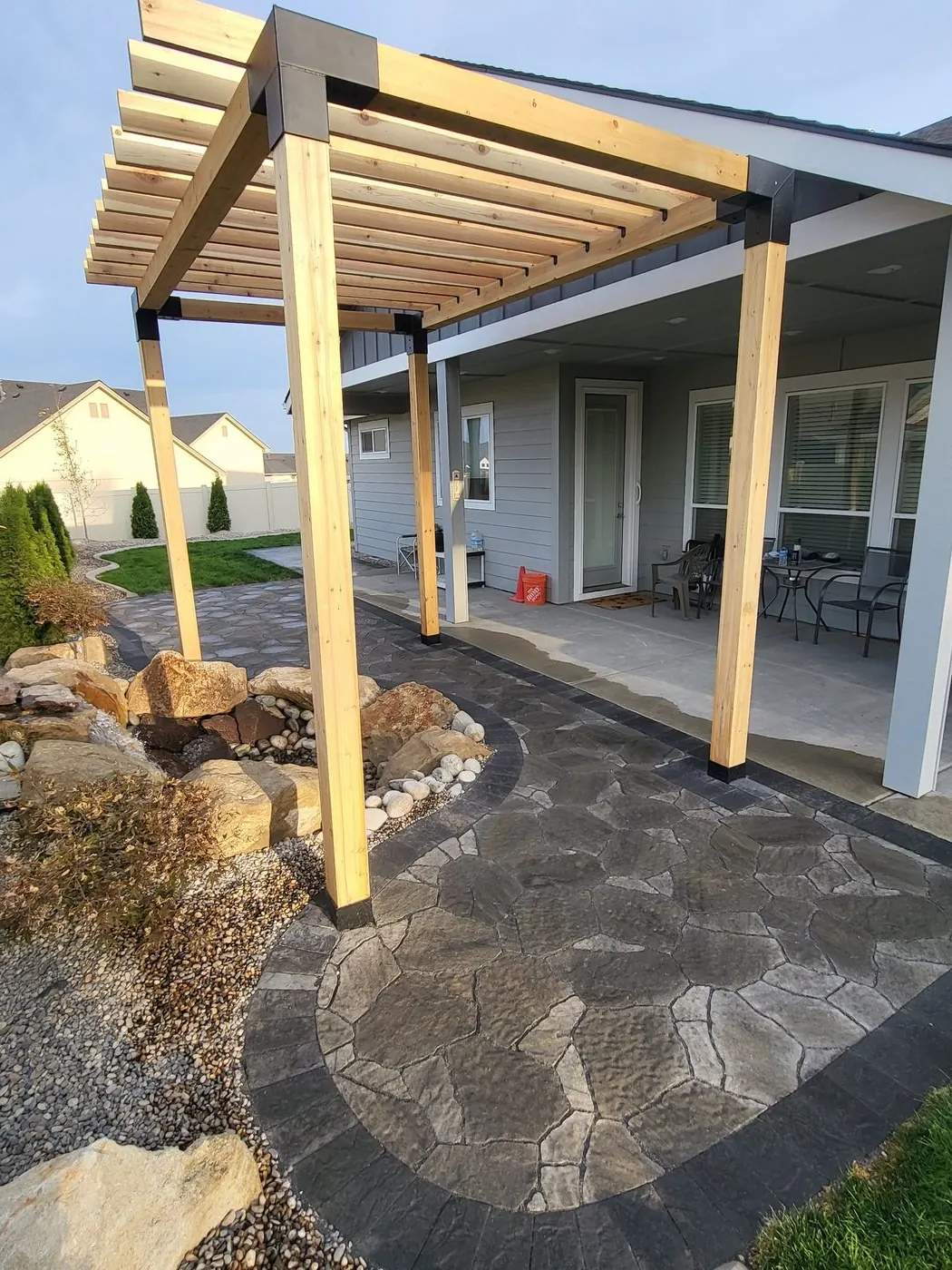
A Pergola Over a Flagstone-Pattern Terrace, With a Boulder Garden
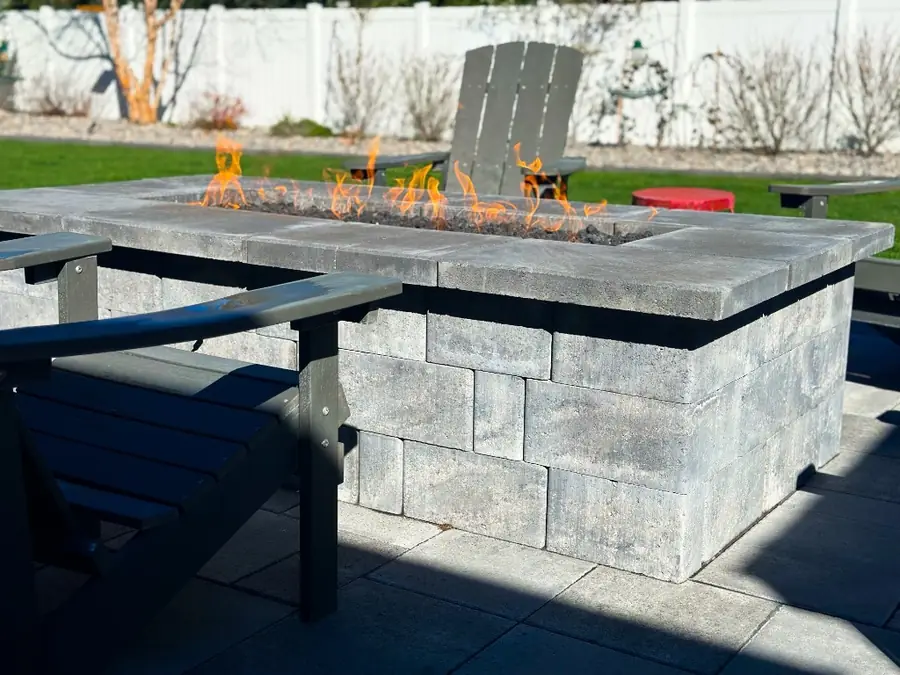
A Paver Terrace, a Built-In Gas Fire Table and Drainage That Finally Works
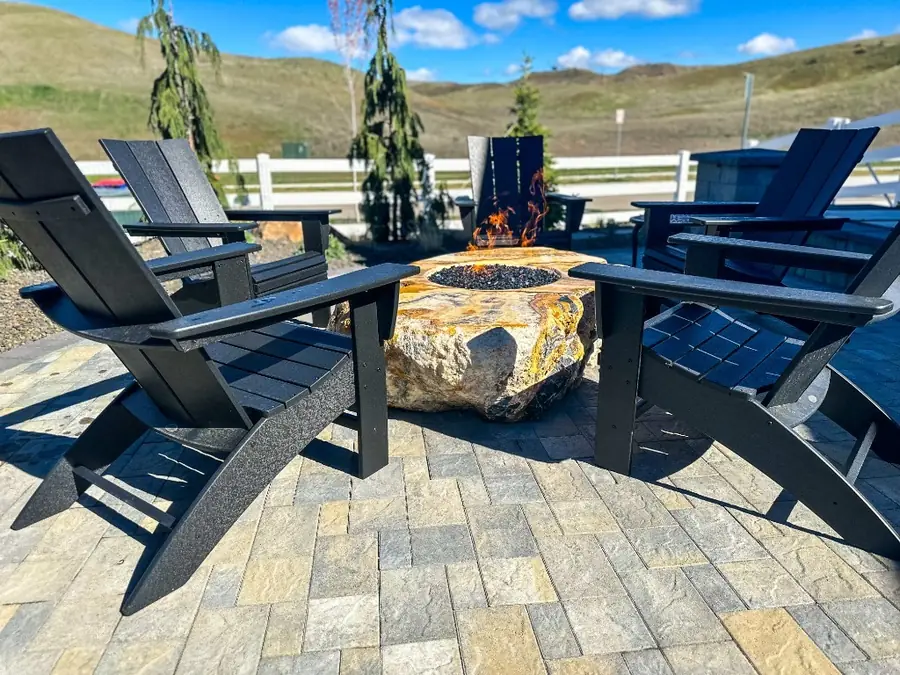
A Boulder Fire Pit, a Stacked-Stone Waterfall Wall and a Dog Run, Set Against the Eagle Foothills
About HOA Approval.
Something else on your mind? Ask a Designer
Do I need HOA approval for landscaping?
Usually, if your home is in an HOA. Many CC&Rs treat landscaping, fences, walls and structures as improvements that need the architectural committee's approval before work starts. The Boise subdivision in the 2019 Rodina case listed fences, walls and landscaping by name. Read yours to be sure.
Can my HOA make me remove landscaping I built without approval?
Yes, if the CC&Rs require approval and the work doesn't match one. In 2019 the Idaho Supreme Court upheld an order to remove a retaining wall and fence that went beyond an approval, and awarded the association its attorney's fees.
Can an HOA in Idaho require a lawn?
Yes, if the CC&Rs say so. No Idaho law limits HOA lawn rules, and a 2024 bill to bar them didn't pass. Within those rules, a design can still cut water use with efficient irrigation, a lawn sized to how you use it and water-wise beds. See our water-wise design guide.
Can my HOA fine me in Idaho?
Only if the CC&Rs allow it, and only after notice. Idaho law requires a majority vote of the board and at least 30 days' written notice of the meeting, by personal delivery or certified mail. If you start correcting the problem before the meeting and keep at it in good faith, no fine can be imposed.
How long does HOA approval take?
It depends on the committee. How often it meets and how complete the submission is matter most, and your CC&Rs may set a deadline for a decision. We plan for review in the schedule and submit as soon as the design is final.
Will you handle the HOA submission for us?
Yes. We prepare the drawings, materials and plant lists your committee asks for, submit them with your signature, answer its questions and build exactly what it approves.