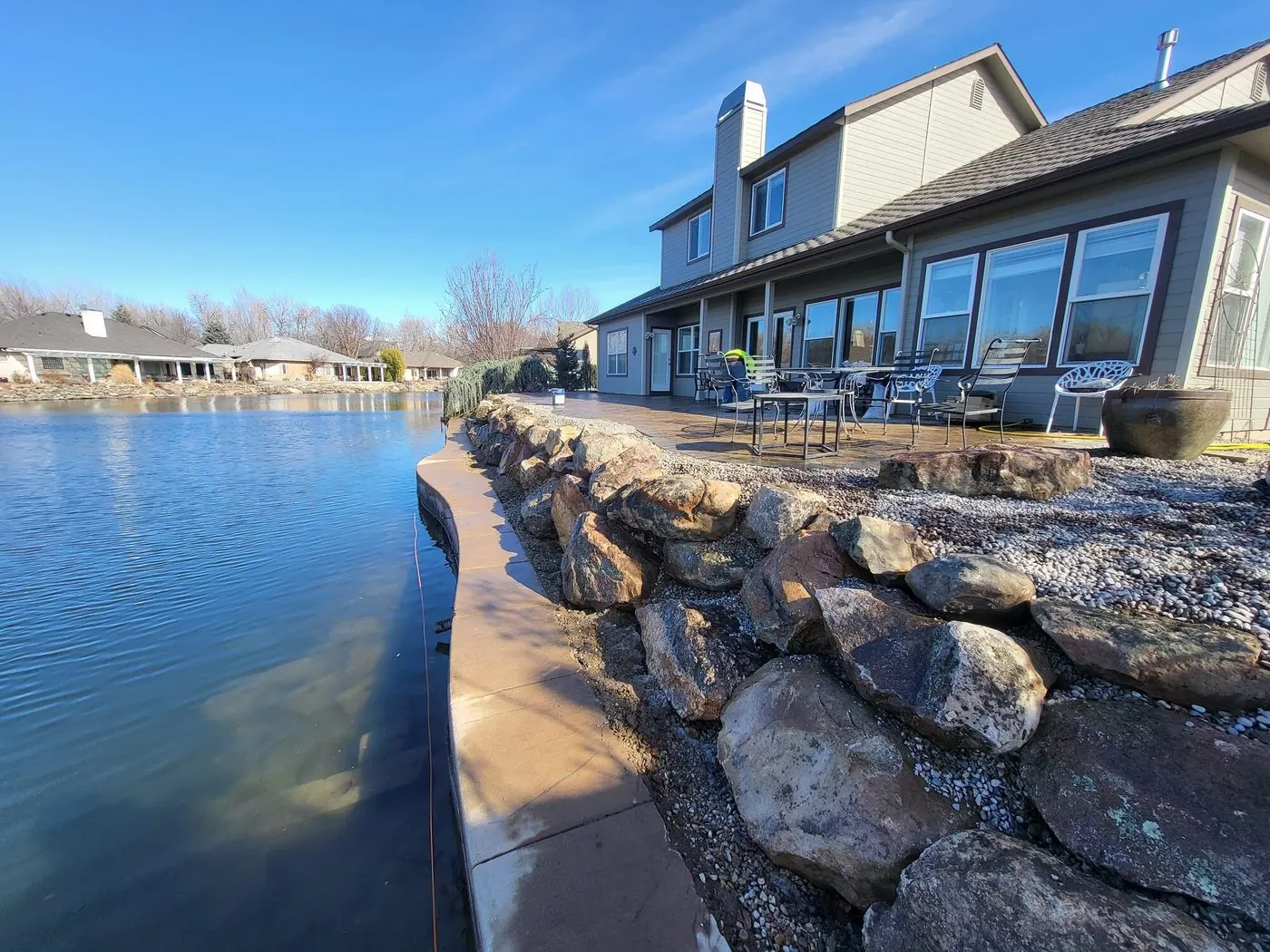
Choosing a Landscape Design-Build Firm in Idaho.
Hire a firm registered with the Idaho Contractors Board, and look the registration up yourself on the state's DOPL website. Ask for proof of liability and workers' compensation insurance, expect Idaho's homeowner disclosure before you sign any home contract over $2,000, and collect lien waivers as you pay. Insist on a written contract with payments tied to completed work, written warranties, and a portfolio of projects like yours.
- Registration
- Required for jobs over $2,000, materials and labor
- Look it up
- Idaho DOPL's Search for a Registration
- Liability insurance
- At least $300,000 to register
- Disclosure
- Idaho Code §45-525, before a home contract over $2,000
Is the Contractor Registered in Idaho?
Idaho requires anyone doing a construction job worth more than $2,000, materials and labor together, to register with the Idaho Contractors Board, part of the Division of Occupational and Professional Licenses (DOPL). Idaho registers contractors rather than licensing them, so registration shows a firm is on file and insured, not that it's skilled.
To check, use DOPL's Search for a Registration and enter the business name. A registered contractor has to show its registration number on its advertising, contracts and permits, so the number should be easy to find. The same search shows any formal disciplinary action.
Registration matters to you, not just to the contractor. An unregistered contractor can't get building permits for your project, gives up any right to a lien and can't sue to collect under a contract that required registration, and working unregistered is a misdemeanor.
Insurance
To register, an Idaho contractor must carry general liability insurance, including products and completed operations, of at least $300,000, and show workers' compensation coverage or explain why it isn't required. Ask for certificates, check the dates, and make sure the insured name matches the company on your contract. The Attorney General's advice is blunt: don't take anyone's word for it.
For a project with walls, excavation and heavy equipment, $300,000 is a floor, not a target. Ask what limits the firm actually carries, and whether its subcontractors carry their own.
The Homeowner Disclosure (Idaho Code §45-525)
Before you sign a contract over $2,000 for work on a home with one to four units, Idaho requires the general contractor to give you a written disclosure and to get your signature acknowledging it. It tells you that you have the right to:
- Lien waivers. Require the contractor to get lien waivers from the subcontractors and suppliers on your job, at your expense.
- Proof of insurance. See the contractor's general liability insurance, including completed operations, and its workers' compensation coverage.
- Title insurance. Buy an extended title insurance policy covering certain unfiled or unrecorded liens.
- A surety bond. Require a surety bond up to the value of the project, at your expense.
Before final payment, the contractor owes you a second signed disclosure listing every subcontractor, supplier and equipment rental company it hired directly that provided more than $500 of work or materials. Leaving out either disclosure is an unlawful practice under the Idaho Consumer Protection Act. A firm that hands you a contract without the first one is telling you something.
Liens and Lien Waivers
In Idaho, anyone who supplies labor or materials to improve a property, including anyone who grades, fills, levels or surfaces land, can claim a lien against it if they aren't paid. The claim must be recorded within 90 days after the work or materials were last provided, and a copy served on the owner within five business days of filing.
That means a subcontractor or supplier your contractor doesn't pay can claim against your home, even if you paid the contractor in full. Lien waivers are the protection. With each progress payment, ask for waivers from the contractor and from the subcontractors and suppliers that payment covers. The Idaho Attorney General's office tells homeowners to demand them.
Where a lien claim involves work covered by §45-525, the claimant must include proof that the disclosure was given and acknowledged, so keep your signed copy with the contract.
Contracts and Payment Schedules
Get everything in writing. The Attorney General's office recommends contracts that clearly state the scope, budget, timelines, expectations, refund policies, cancellations and penalties. For a designed landscape, the contract should match the final design line for line, list allowances for anything not yet chosen, and describe how changes are priced and approved before the work is done.
Tie payments to progress: a deposit to secure materials and a place in the schedule, payments at visible milestones, and a final payment after the walkthrough. The Attorney General's advice is never to pay up front for a project except for materials, and to track costs and keep receipts.
If you sign at home, a federal rule may apply. The FTC's Cooling-Off Rule gives buyers until midnight of the third business day to cancel many sales made at home, unless the negotiations were completed at the seller's permanent place of business, and the seller must give you two copies of a cancellation form.
Warranties: Plants and Workmanship
Landscape warranties come in two parts, and they behave differently. A plant warranty covers replacing plants that fail to establish, for a set period, and usually depends on the irrigation working and on reasonable care. Ask whether sod, seed and transplanted plants are covered. A workmanship warranty covers how the hardscape was built: paving that settles, walls that move, drainage that fails.
Manufacturers' warranties on pavers, wall block, lighting and fire components are separate, and often depend on correct installation. Ask for every warranty in writing, with what it covers, for how long and what it asks of you.
Ours are written into the contract.
Landscape Designer or Landscape Architect?
In Idaho, only an individual licensed by the Board of Architects and Landscape Architects may use the title landscape architect, advertise landscape architecture, or use any description that suggests either. Licenses are issued to individuals, not companies, and you can look one up on DOPL. Misusing the title is a misdemeanor, and each act counts as a separate offense.
The same law exempts landscape contractors, nurserymen, gardeners and horticulturists, with their right to plan and supervise their own work, as long as they don't use the title. That is how design-build landscape firms work in Idaho. We employ landscape designers: they design what we build, and where walls or structures call for an engineer, an Idaho-licensed engineer joins the project.
Neither title tells you whether a design will be good. Look at the work, ask who will actually draw your plan, and check any license or registration you're shown.
Portfolio, Reviews and References
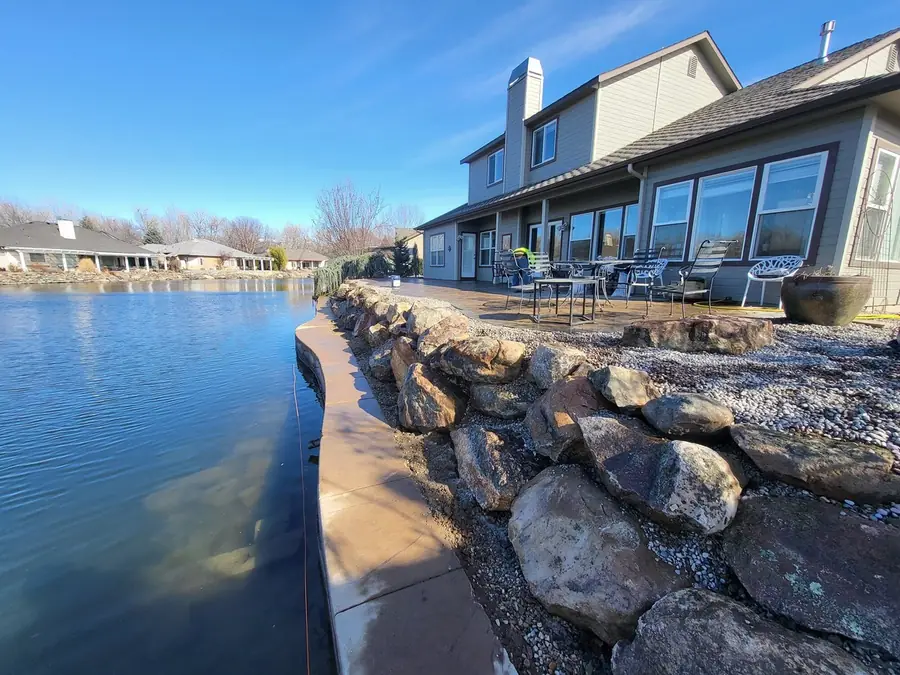
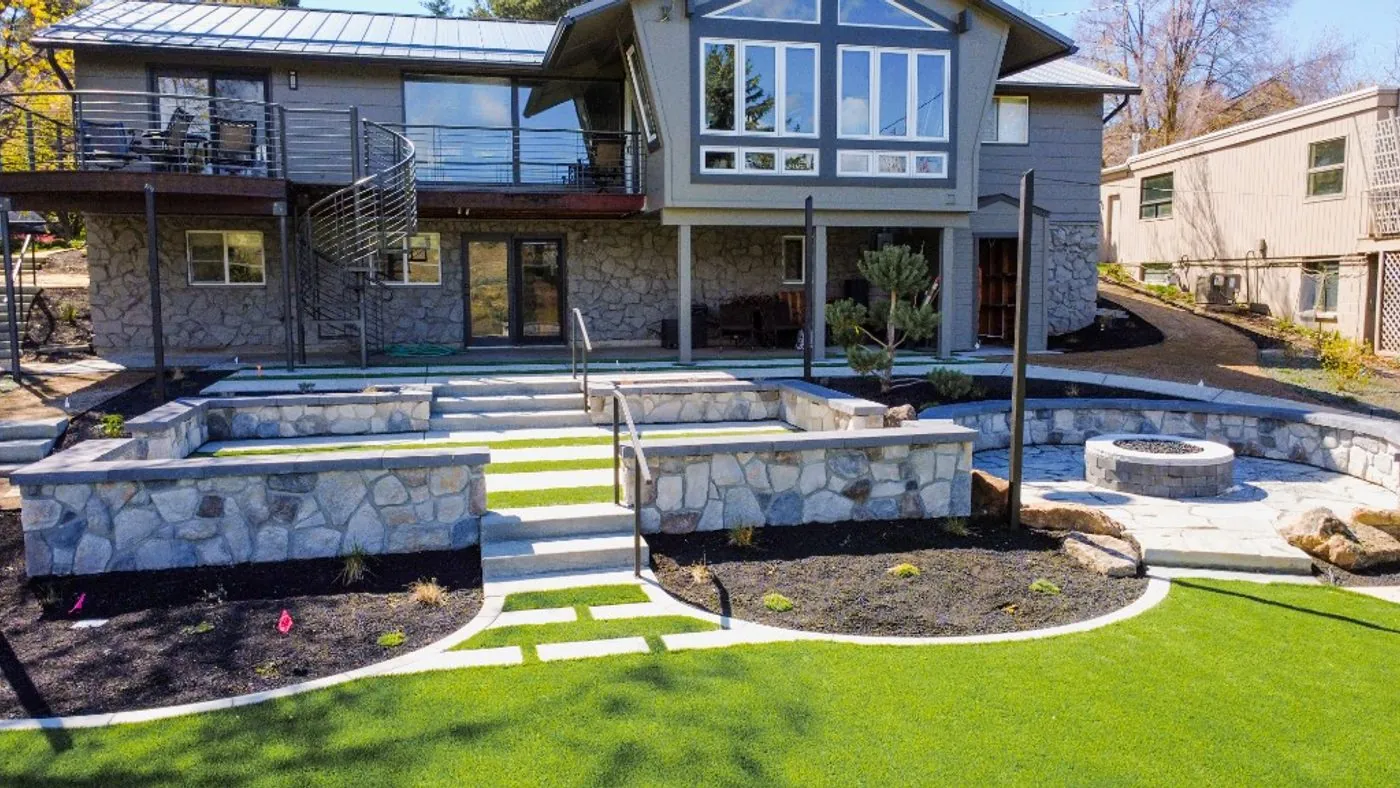
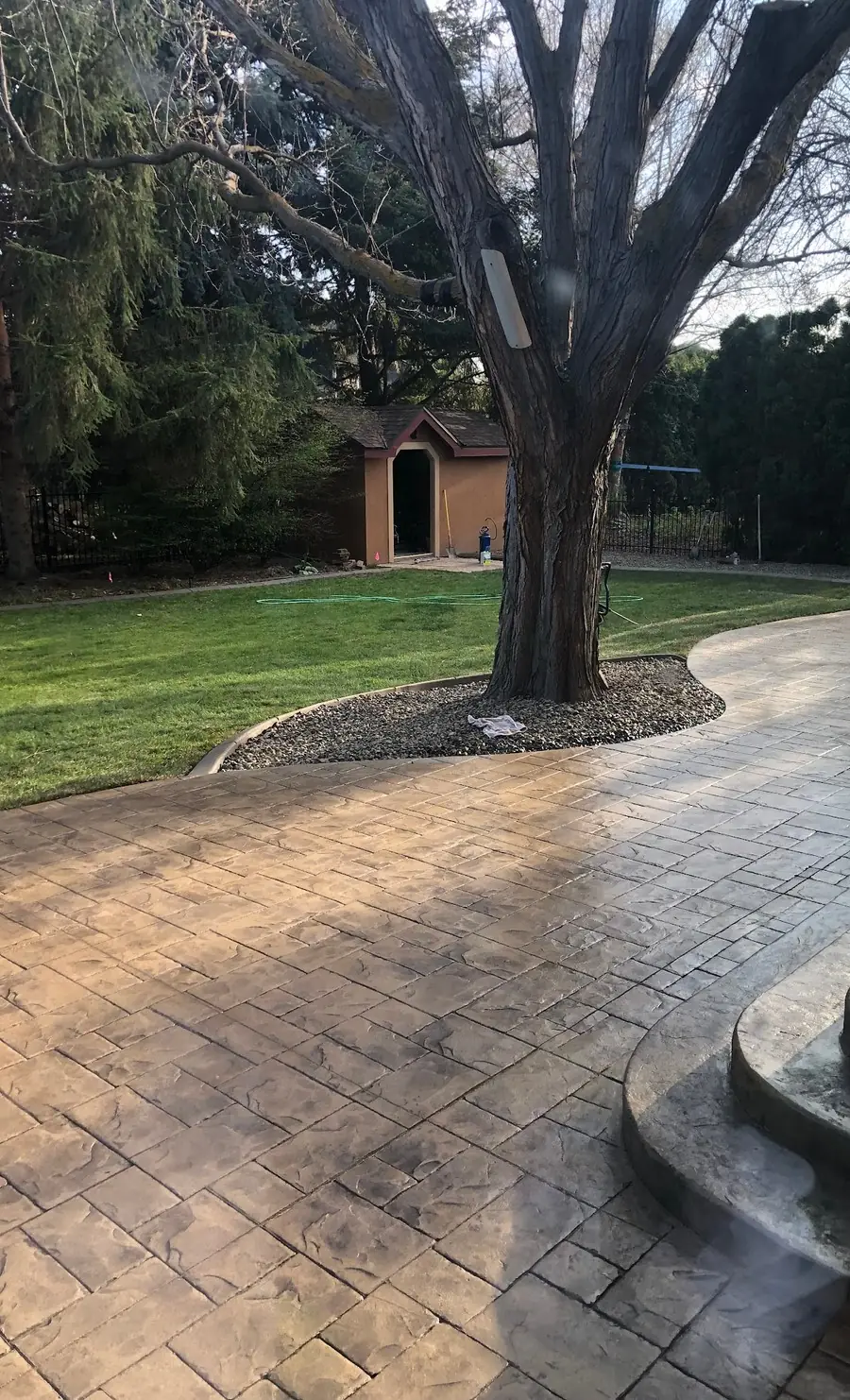
Look for projects like yours: a similar site, a similar scope and a similar range. A good case study says where the project is, what was built, roughly what it invested and how long it took. Photos of finished work matter, and so do the parts photos can't show, such as drainage and wall bases, so ask how those were built.
Read reviews over time, not just the newest, and notice how the firm answers criticism. The Attorney General's office suggests checking the Better Business Bureau for unresolved complaints and DOPL for anything on record. Then ask for two or three references from projects like yours and, if you can, go and see one.
Before You Hire
- Look up the registration on DOPL's Search for a Registration, and check for discipline.
- Get certificates of liability and workers' compensation insurance, and check the dates and names.
- Receive and sign the §45-525 disclosure before you sign the contract.
- Read a written contract that matches the design, with allowances and a change process.
- Agree a payment schedule tied to completed work, with the final payment after the walkthrough.
- Collect lien waivers with each payment.
- Get every warranty in writing: plants, workmanship and manufacturers'.
- Ask who will design your project, and what their title and credentials are.
- Visit a finished project, or call two or three references with similar work.
- Keep the second disclosure, listing subcontractors and suppliers, before you make the final payment.
Sources
- Idaho DOPL, Contractors frequently asked questions
- Idaho DOPL, Idaho Contractors Board (Search for a Registration)
- Idaho Code §45-525, Residential property disclosures
- Idaho Code §45-501, Who may claim a lien
- Idaho Code §45-507, Lien claims: filing, service and contents
- Idaho Code Title 54, Chapter 30, Landscape Architect Registration and Licensing Act (§54-3003 titles and exemptions, §54-3005 violations)
- Idaho Attorney General, Consumer Watch (Summer 2026): hiring a contractor
- Federal Trade Commission, The FTC's Cooling-Off Rule
Rules change. We confirm every one for your property before a design is final.
Work You Can Look at Closely.
About Hiring a Contractor.
Something else on your mind? Ask a Designer
How do I check if a contractor is registered in Idaho?
Search the business name on Idaho DOPL's Search for a Registration. Registration is required for construction jobs over $2,000, and the number must appear on the contractor's advertising and contracts. The same search shows formal disciplinary actions.
Do landscapers need a license in Idaho?
They need to be registered, not licensed, for jobs over $2,000. Idaho registers contractors through the Idaho Contractors Board, part of DOPL. Registration takes proof of liability insurance and workers' compensation, and only a licensed individual may use the title landscape architect.
What is the Idaho §45-525 disclosure?
A written notice of your rights that a general contractor must give you before you sign a home contract over $2,000. It covers lien waivers, proof of insurance, extended title insurance and a surety bond, and you sign to acknowledge it. Before final payment, you receive a second disclosure listing the subcontractors and suppliers paid more than $500.
How much should I pay up front?
Enough to secure materials and the schedule, not the whole project. Idaho's Attorney General advises never paying up front for a project except for materials. Tie the remaining payments to completed work, and hold the final payment until the walkthrough.
Are your designers landscape architects?
No. They're landscape designers. Idaho reserves that title for licensed individuals. As a design-build firm, we plan and supervise our own work, and bring in an Idaho-licensed engineer wherever walls or structures call for one.
What does a design-build backyard cost?
Most complete backyards we design and build invest $75,000–$130,000. The real figure is set in design, and the proposal matches the final design line for line, with the §45-525 disclosure before you sign.